Hello, I am Melanie.
I am Chilean, but I’ve been living in Budapest for a little over two years now. I came here for a postdoc and ended up falling a bit in love with the city. The thermal baths help.
Before that I spent most of my life between Valparaíso, Concepción and Santiago, where I did most of my education. Plus 8 months I lived in Toulouse, France and 5 in Millersville PA, USA.
Outside work I enjoy drawing, fantasy novels, and getting lost in a good comic.
My work
I’m a researcher who has also spent several years teaching economics and data science at the university level. I loved teaching because it meant turning complex ideas into conversations people could actually enter and make their own.
Now I work as a Postdoctoral Research Fellow at the Center for Collective Learning (Corvinus University of Budapest), led by César Hidalgo. I’m also a collaborator at the CRISS Lab at Universidad del Desarrollo in Chile, where I work alongside Cristian Candia and Carlos Rodríguez-Sickert.
My research asks how social relationships shape outcomes in classrooms, labor markets, and society more broadly. I study how children’s friendships affect learning, how policy design can remove barriers to women’s labor force participation, and how collective memory and cultural proximity shape behavior. My work sits at the intersection of social networks, cooperation, inequality, and education policy, and combines computational methods, applied econometrics, and behavioral experiments.
I completed a PhD in Social Complexity Sciences at Universidad del Desarrollo, an MSc in Economics from Pontificia Universidad Católica de Chile, and a BSc in Business Administration from PUCV Valparaíso.
Want to see what I’ve been working on?
Research
Autism shapes social integration and reciprocity in elementary classrooms
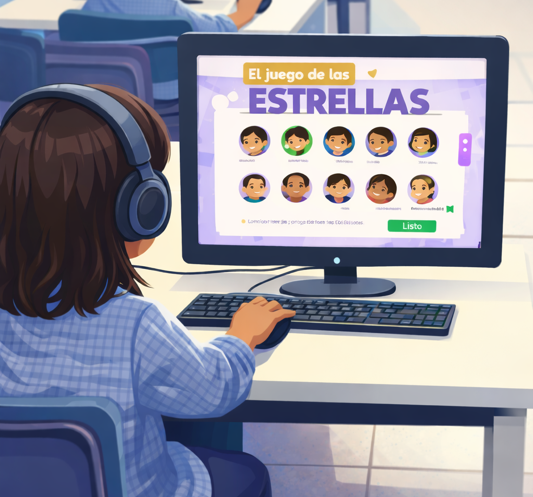
Using experimental game theory to quantify social integration and reciprocity, we find autistic children occupy more peripheral positions in classroom networks and engage less in reciprocal relationships.
Read moreReciprocity heightens academic performance in elementary school students
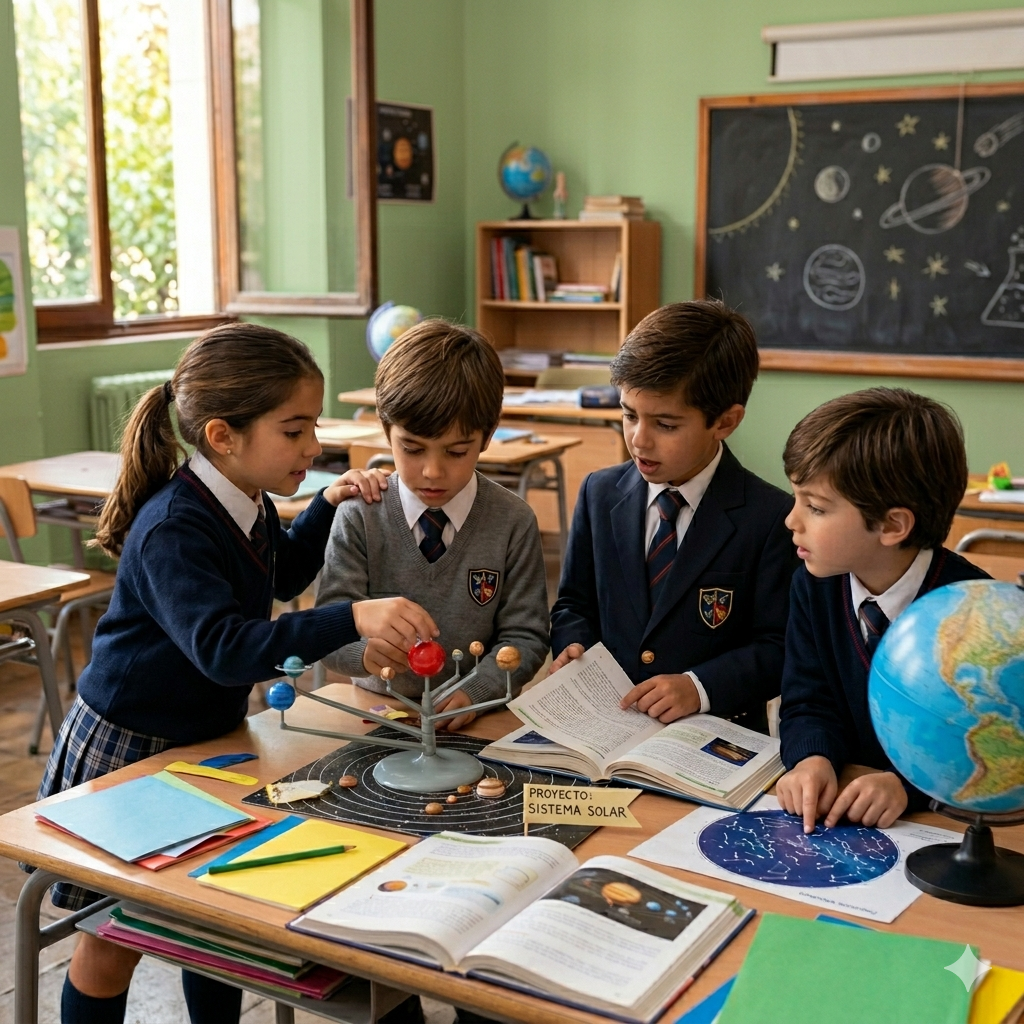
Using a behavioral game on networked tablets to map social networks in 45 Chilean classrooms, we find that students who engage in more mutually cooperative (reciprocal) peer relationships achieve higher grades — and the effect is largest for students with the most reciprocal ties.
Read more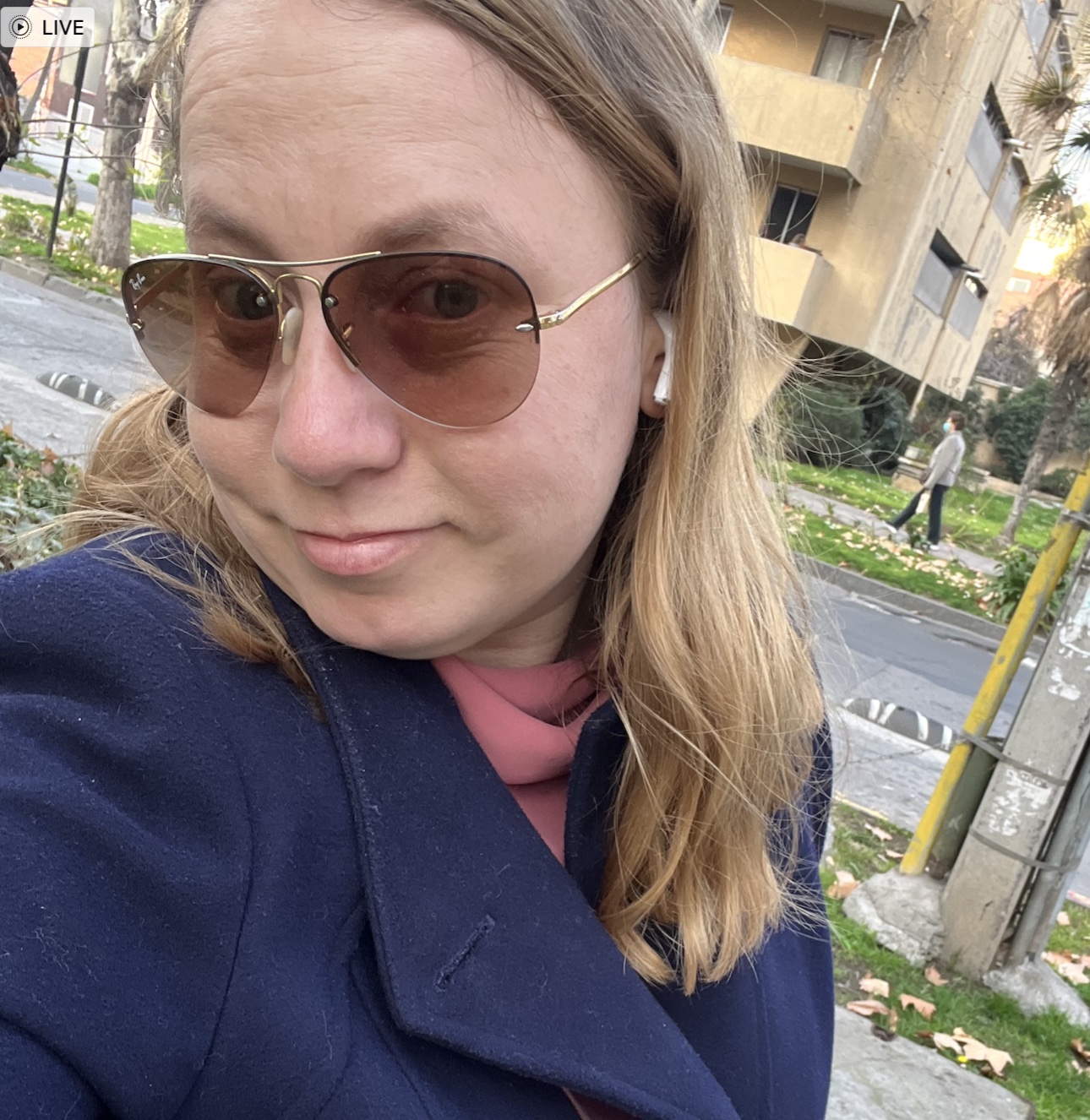
Melanie Oyarzun
CENTER FOR COLLECTIVE LEARNING
Corvinus University of Budapest
Collaborator ·
CRISS LAB
CICS
UDD CHILE